Apple September 2026 Keynote: Foldable iPhone Duo, iPhone 18 Pro Variable Aperture, and A20 Pro Silicon
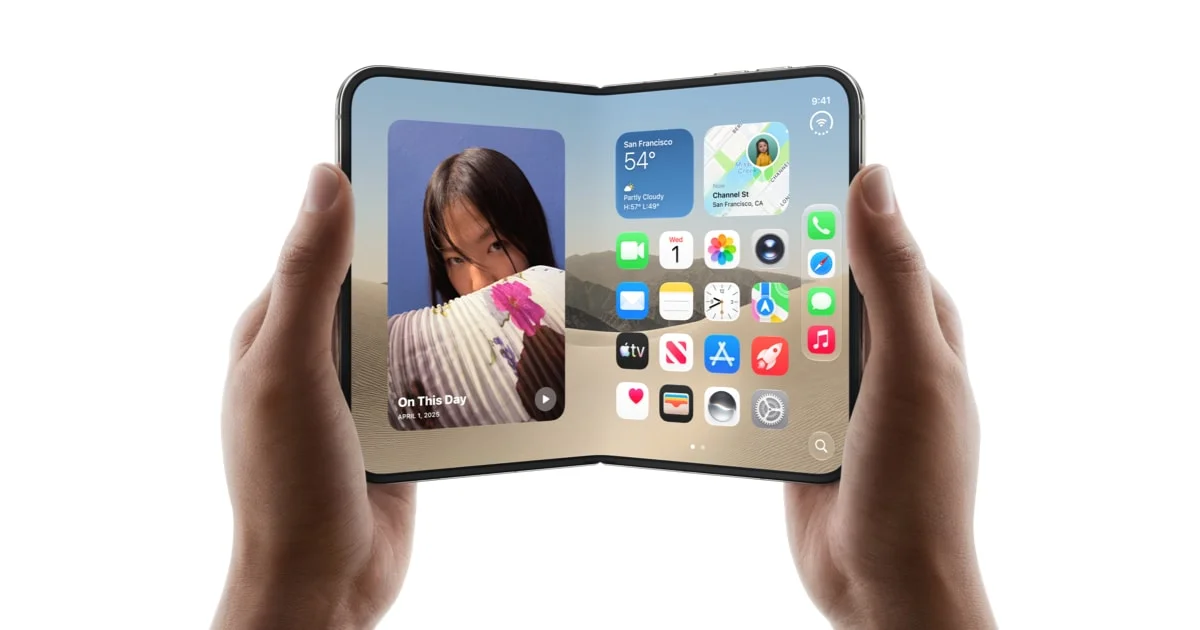
Apple’s keynote at Apple Park shifted the company’s hardware portfolio toward new physical form factors, mechanical optics, and high-frequency biometric computation. The centerpiece announcements include the iPhone Duo, marking Apple’s entry into foldable devices, alongside the iPhone 18 Pro and iPhone 18 Pro Max featuring physical variable aperture camera optics.
Powering these consumer devices are two silicon platforms: the A20 Pro, paired with vapor chamber cooling across both flagship lines, and the S11 System-in-Package, driving an all-new Health Sensing System on Apple Watch Series 12 and Apple Watch Ultra 4. In audio, AirPods 5 introduce open-ear active noise cancellation that eliminates up to 50 percent more ambient noise without requiring silicone ear tips.
Apple September 2026 Keynote Architecture Overview
| Device Line | Core Engineering Breakthrough |
|---|---|
| iPhone Duo | First foldable iPhone, 7.6-inch inner canvas, precision hinge |
| iPhone 18 Pro / Max | 48MP Fusion with mechanical variable aperture, A20 Pro |
| Apple Silicon A20 Pro | Next-gen neural throughput, custom dual vapor chamber |
| Watch Series 12 | Continuous Health Sensing System, S11 chip, Readiness Score |
| Watch Ultra 4 | 45-hour continuous outdoor GPS tracking, natural/black Ti |
| AirPods 5 | Open-ear Active Noise Cancellation, multiport acoustics |
| Ecosystem Software | iOS 27 and watchOS 27, deep Siri AI and biometric models |
iPhone Duo: Mechanical Engineering, Dual Displays, and Split Ergonomics
The iPhone Duo represents Apple’s first departure from the rigid slab form factor. Built around a precision zero-gap mechanical hinge, the device folds flat without visible creasing or particulate exposure. Apple reinforced the mechanism with a 3D-printed hinge cover finished in contrasting micro-blasted texture. Unfolded, the Duo measures as the thinnest iPhone ever manufactured, revealing an expansive 7.6-inch Super Retina XDR inner display. The inner panel incorporates an etched nano-texture finish that cuts ambient specular reflections, backed by a custom polymer cover layer offering up to 40 percent higher structural stiffness than conventional folding displays.
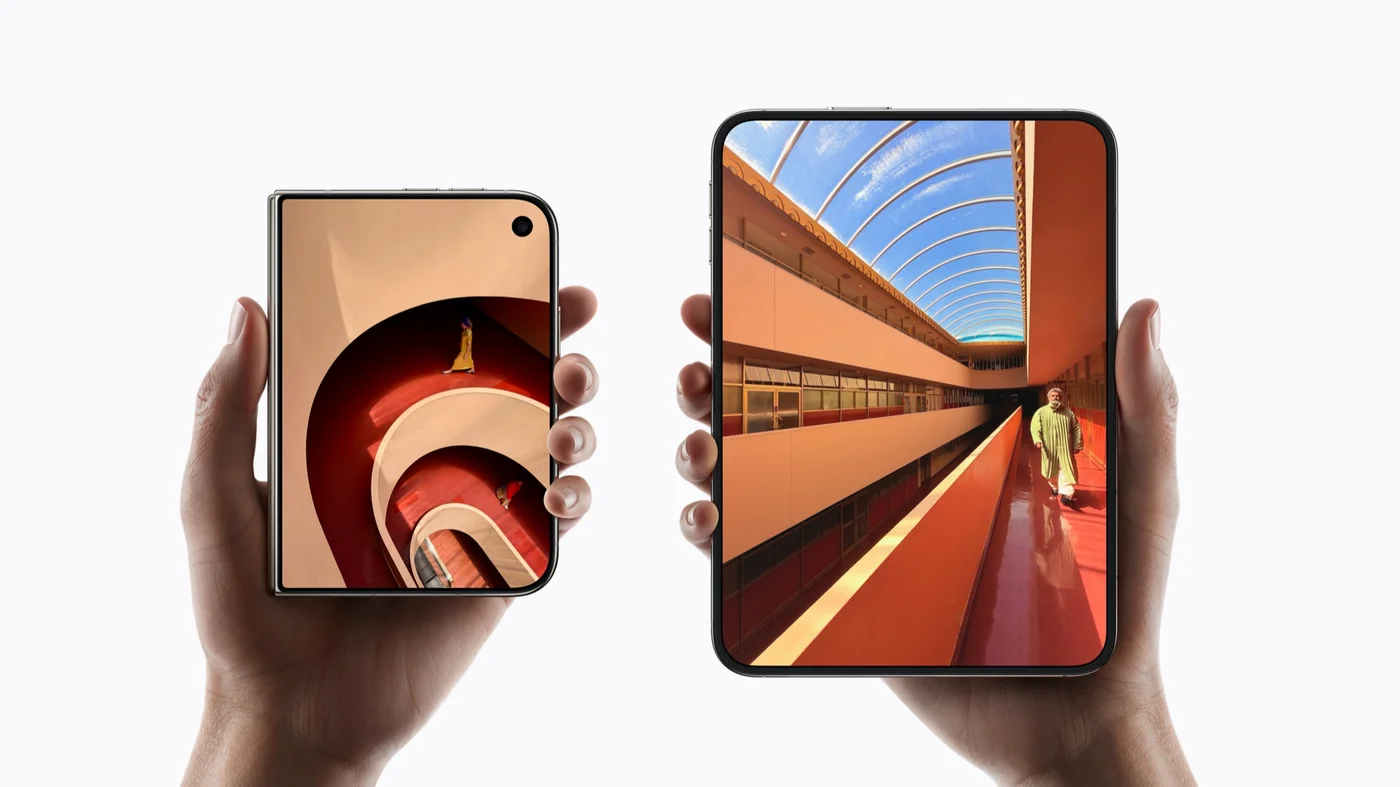
On the outside, a 5.4-inch cover display shielded by Ceramic Shield 2 provides three times better scratch resistance and delivers 90 percent of the usable screen area of an iPhone 18 Pro. Apple matched the aspect ratios of the inner and outer panels, allowing applications to transition between single-hand cover usage and full tablet view without layout reflow glitches or arbitrary letterboxing.
Internally, the Duo houses the A20 Pro processor backed by a split vapor chamber that routes thermal dissipation across both halves of the chassis. A dual-battery architecture balances weight across the hinge axis, providing full-day runtime while keeping the center of gravity stable during two-handed typing.
On the software layer, iOS 27 adds dedicated foldable window management. Users can run two full-sized apps in split view with unified drag-and-drop support. The cameras support Dual Capture to broadcast front and rear feeds simultaneously in FaceTime, while Duo FaceTime allows a secondary participant to join the call using the exterior screen and sensor while the device is propped open. Additionally, the Call Context feature surfaces relevant project documents, calendars, and recent conversation threads directly beside live conference streams.
iPhone Duo Hardware Specifications
| Component | Technical Specification |
|---|---|
| Inner Display | 7.6-inch Super Retina XDR, nano-texture anti-glare finish, stiffened polymer |
| Outer Display | 5.4-inch cover screen matching inner panel aspect ratio, Ceramic Shield 2 |
| Processor | Apple A20 Pro with dual-chassis split vapor chamber |
| Camera System | 48MP Fusion Main, 48MP Ultra Wide, 2x optical zoom, 24MP Center Stage front camera |
| Storage Configurations | 256GB, 512GB, 1TB, 2TB |
| Finishes | Star White, Night Sky |
| Base Pricing | Starts at $1,999 USD |
iPhone 18 Pro: Mechanical Variable Aperture and Sustained Silicon Throughput
With the iPhone 18 Pro and iPhone 18 Pro Max, Apple moved beyond software segmentation masks for optical background blur. The new 48MP Fusion Main camera integrates a physical variable aperture driven by six laser-cut blades controlled by a high-precision rotor mechanism. The system adjusts across four distinct mechanical aperture stops, transitioning smoothly between wide apertures for high light intake and natural optical shallow depth of field, and narrower stops for edge-to-edge sharpness across wide landscapes and group photography.
Apple also opened this hardware to creators through an official developer API, allowing third-party camera and video capture applications to programmatically control the aperture range.
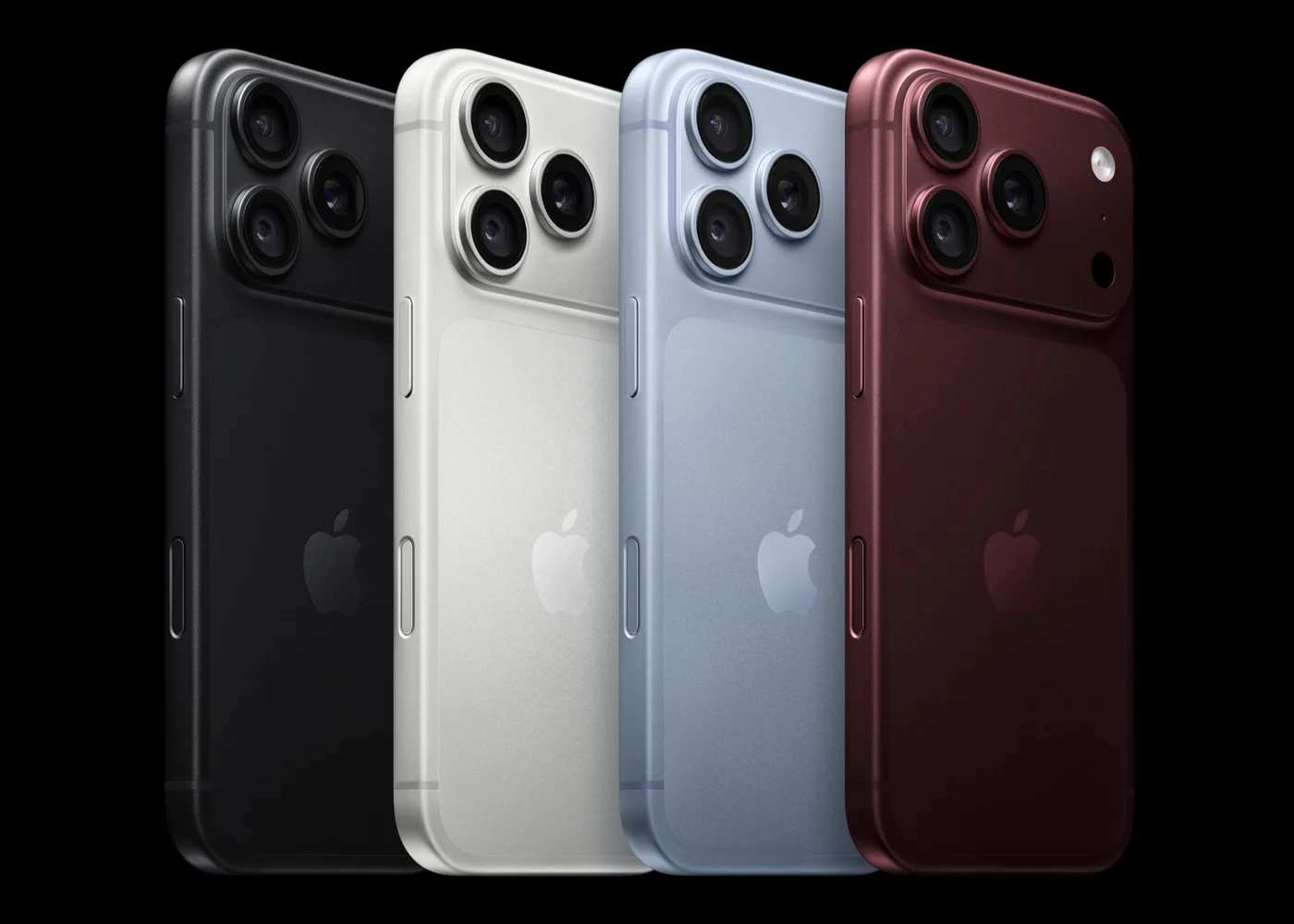
Inside the native Camera app, Pro Controls give photographers direct mechanical control over shutter speed, ISO sensitivity, and manual aperture selection, alongside export options for Apple Reference Image color profiles in film and commercial workflows.

Apple constructed the enclosure using 85 percent recycled aluminum, pairing it with an integrated next-generation vapor chamber to prevent clock speed throttling under continuous workloads. The Dynamic Island received a reduced physical footprint while expanding its interactive context. In power delivery, the iPhone 18 Pro Max provides the largest single-generation battery runtime increase in the history of the Pro lineup.
iPhone 18 Pro vs. iPhone 18 Pro Max Comparison
| Metric | iPhone 18 Pro | iPhone 18 Pro Max |
|---|---|---|
| Processor | Apple A20 Pro | Apple A20 Pro |
| Thermal System | Next-Gen Vapor Chamber | Next-Gen Vapor Chamber |
| Primary Camera | 48MP Variable (6 Blades) | 48MP Variable (6 Blades) |
| Storage Capacities | 256GB / 512GB / 1TB / 2TB | 256GB / 512GB / 1TB / 2TB |
| Chassis Material | 85% Recycled Aluminum | 85% Recycled Aluminum |
| Color Finishes | Burgundy, Glacier, Silver, Black | Burgundy, Glacier, Silver, Black |
| Base Price (USD) | $1,199 | $1,299 |
Apple Silicon A20 Pro: Microarchitecture and Thermal Dissipation
The A20 Pro forms the computational core across Apple’s high-end line. Fabricated on an advanced next-generation node, the chip features a 6-core CPU with integrated Neural Accelerators, a 7-core GPU delivering up to 40 percent faster graphics rendering than the A19 Pro with hardware mesh shading and ray tracing, and an all-new Dual 16-core Neural Engine. Packing 32 total neural cores, this subsystem doubles the machine intelligence throughput of the previous generation.
To feed this compute cluster, Apple expanded unified memory bandwidth by 50 percent, allowing large transformer models and Siri AI workloads to evaluate weights without stalls.
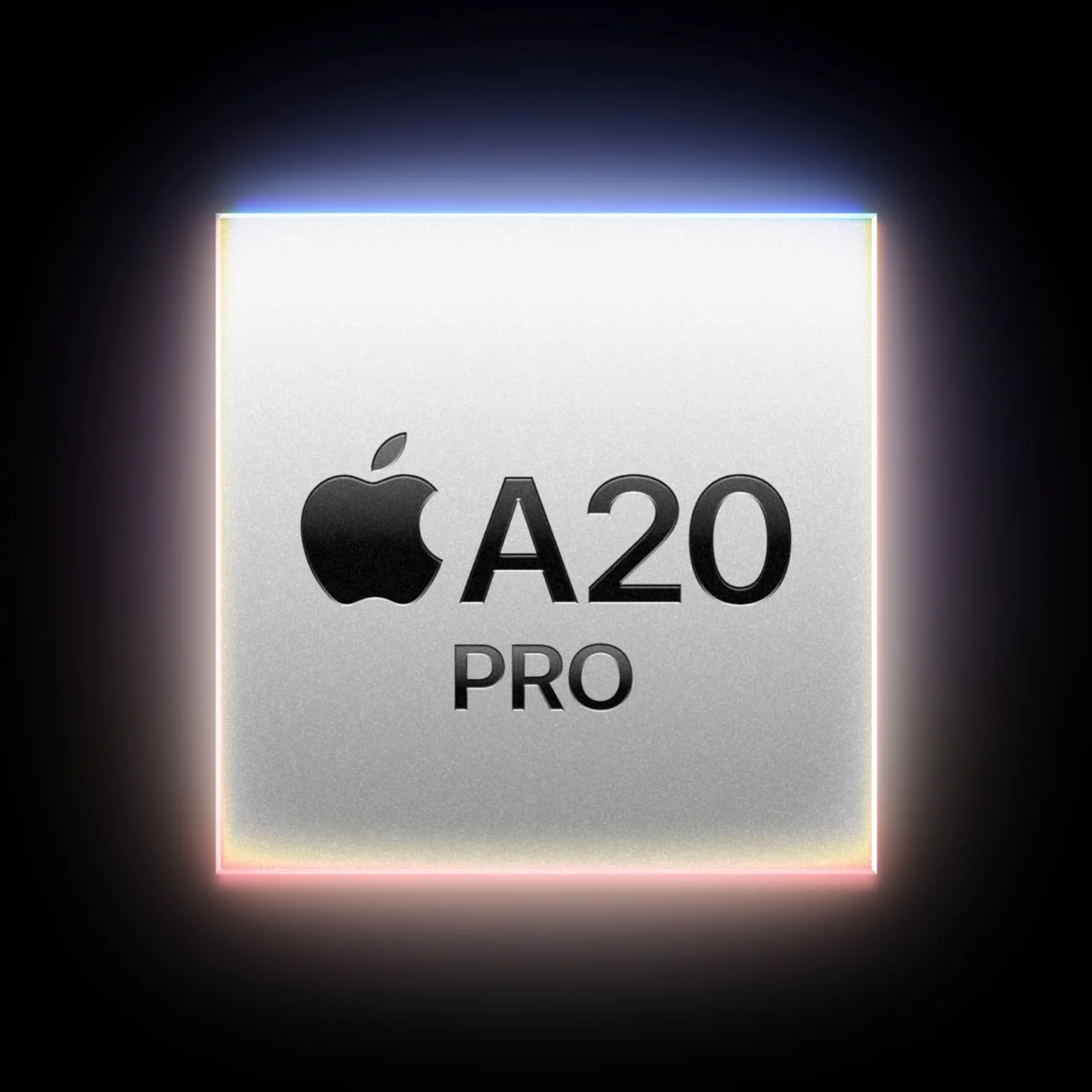
To sustain high clock frequencies under continuous workloads, Apple introduced a laser-welded copper and graphite vapor chamber. This thermal envelope prevents the steep thermal throttling curves that characterized previous generations during prolonged 4K video recording, high-frame-rate rendering, and parallel background inference.
Apple Watch Series 12: Continuous Health Sensing and Daily Readiness
Apple Watch Series 12 introduces the Health Sensing System, moving beyond intermittent heart rate checks to continuous, high-frequency biometric monitoring. Powered by the new S11 SiP, the sensor array captures higher-frequency pulse and heart rate variability (HRV) metrics, providing the physiological foundation for a new Readiness Score.
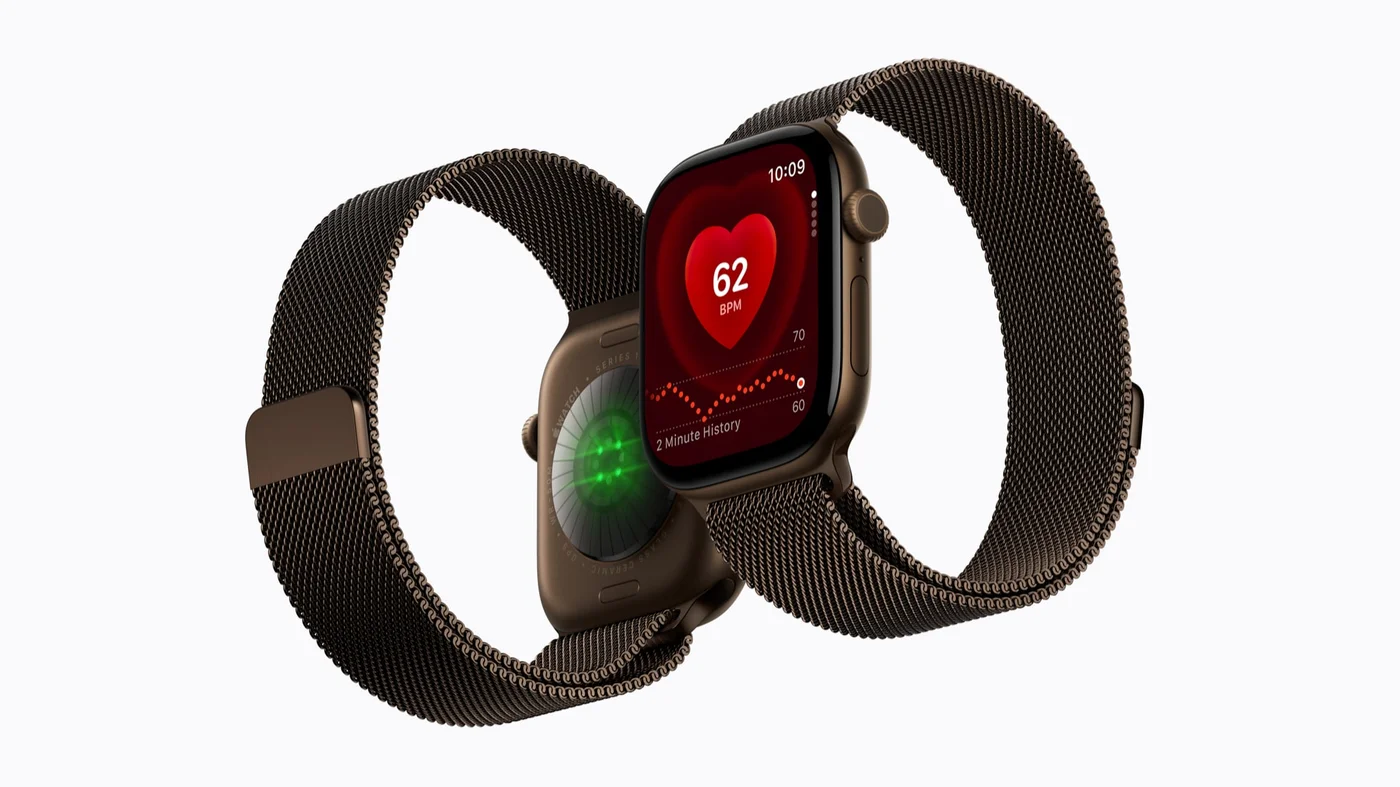
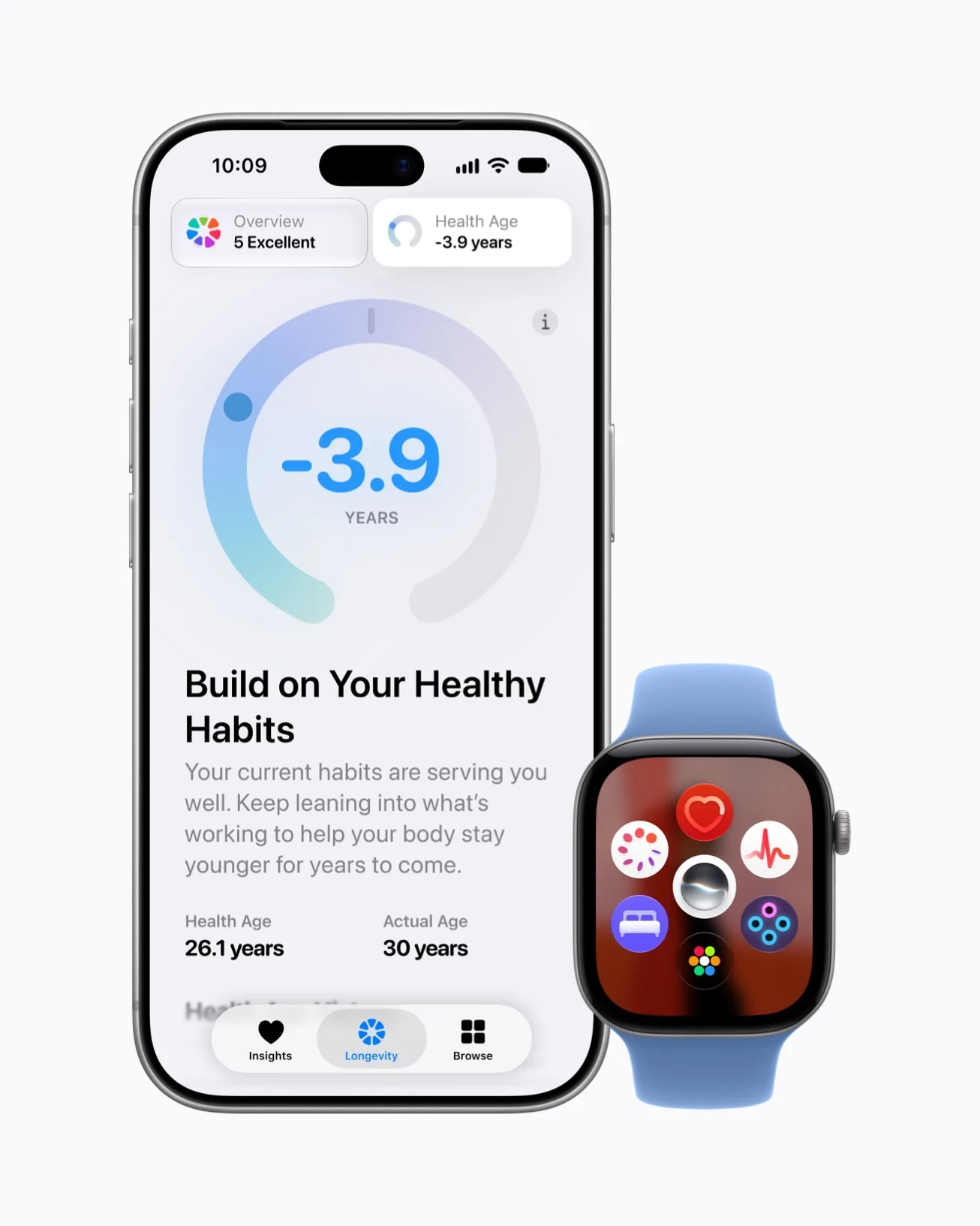
The Readiness Score synthesizes nocturnal vitals, respiratory patterns, and autonomic tone to indicate whether a user’s body is prepared for training or requires recovery. These metrics feed into a redesigned Health app in iOS 27, which includes a dedicated Longevity tab and a Health Age calculation that benchmarks physiological biomarkers against chronological age.
Aluminum editions now feature Ceramic Shield 2, providing 60 percent greater shatter and scratch protection than prior Ion-X glass. The battery delivers up to 24 hours of normal daily use, tracks outdoor workouts for up to 10 continuous hours (a 25 percent improvement), and adds fast charging that provides 8 hours of typical operation from a 15-minute charge.
Series 12 also introduces on-device Audio Intelligence, featuring ambient sound recognition, hands-free Siri Recap, and Live Rewind functionality, with all processing encrypted locally on the device.
Apple Watch Series 12 Materials and Configurations
| Tier / Material | Finishes & Hardware Protection |
|---|---|
| Aluminum Finishes | Dark Bronze, Black, Light Gold, Silver (Ceramic Shield 2) |
| Titanium Finishes | Natural Titanium, Radiant Gold Titanium |
| Ceramic Editions | Pearl White Ceramic, Night Blue Ceramic |
| Base Price | Starts at $399 USD |
Apple Watch Ultra 4: 45-Hour Outdoor Endurance
Aimed at endurance athletes and backcountry expeditions, Apple Watch Ultra 4 draws on the thermal and power efficiency of the S11 chip to deliver up to 45 hours of continuous GPS workout tracking. The watch is available in natural and black titanium enclosures with flat sapphire crystal, paired with precision dual-frequency L1 and L5 GPS algorithms that reject urban and canyon multipath reflections.
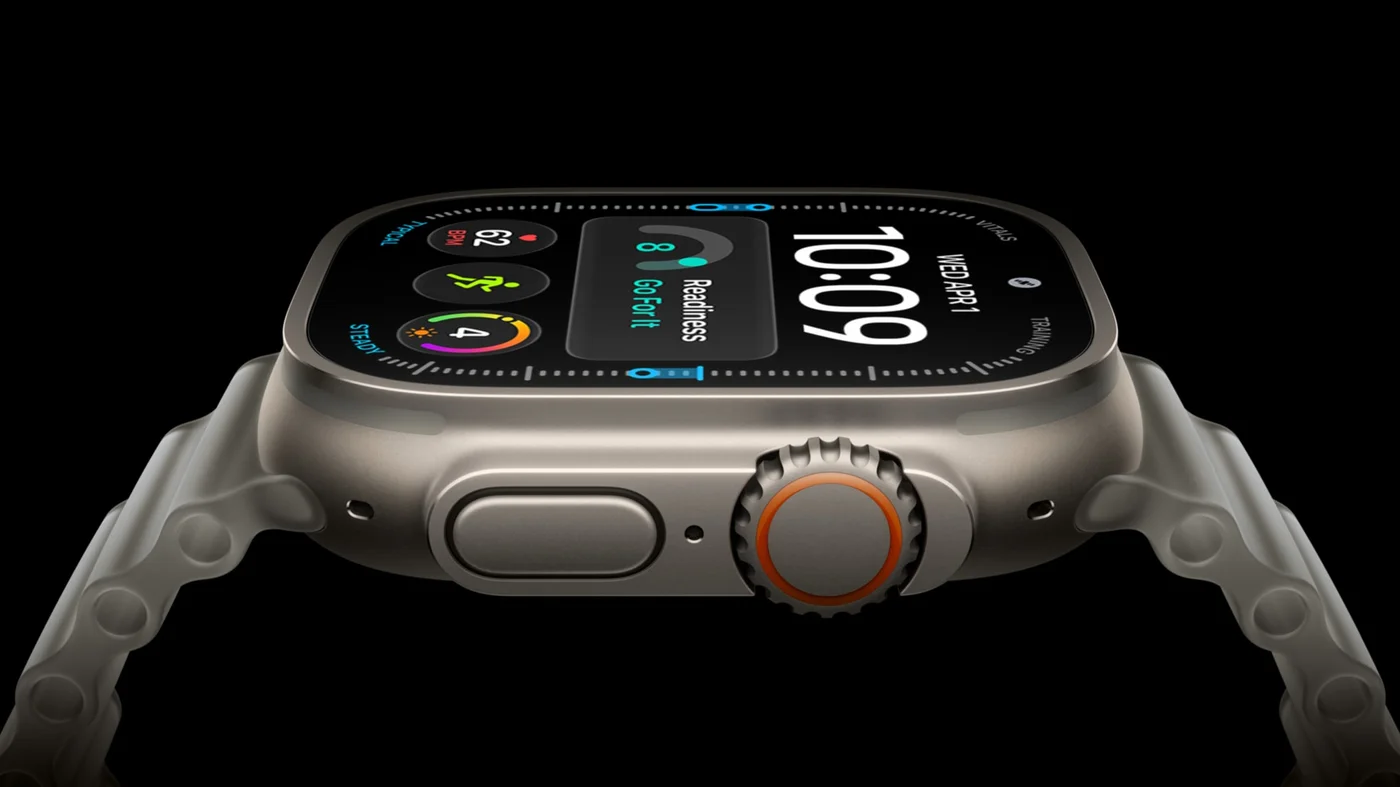
Ultra 4 inherits the complete Health Sensing System, including high-frequency HRV tracking and the Readiness Score. The model is available with updated configurations of the Trail Loop, Alpine Loop, and Ocean Band, with pricing starting at $799 USD.
AirPods 5: Multiport Acoustic Design and Open-Ear ANC
AirPods 5 modernize Apple’s standard earbud line by introducing Active Noise Cancellation to an open-ear design without requiring silicone ear tips. Using an all-new multiport acoustic chamber and next-generation Adaptive EQ, the earbuds cancel up to 50 percent more low- and mid-frequency environmental noise than AirPods 4 with ANC.
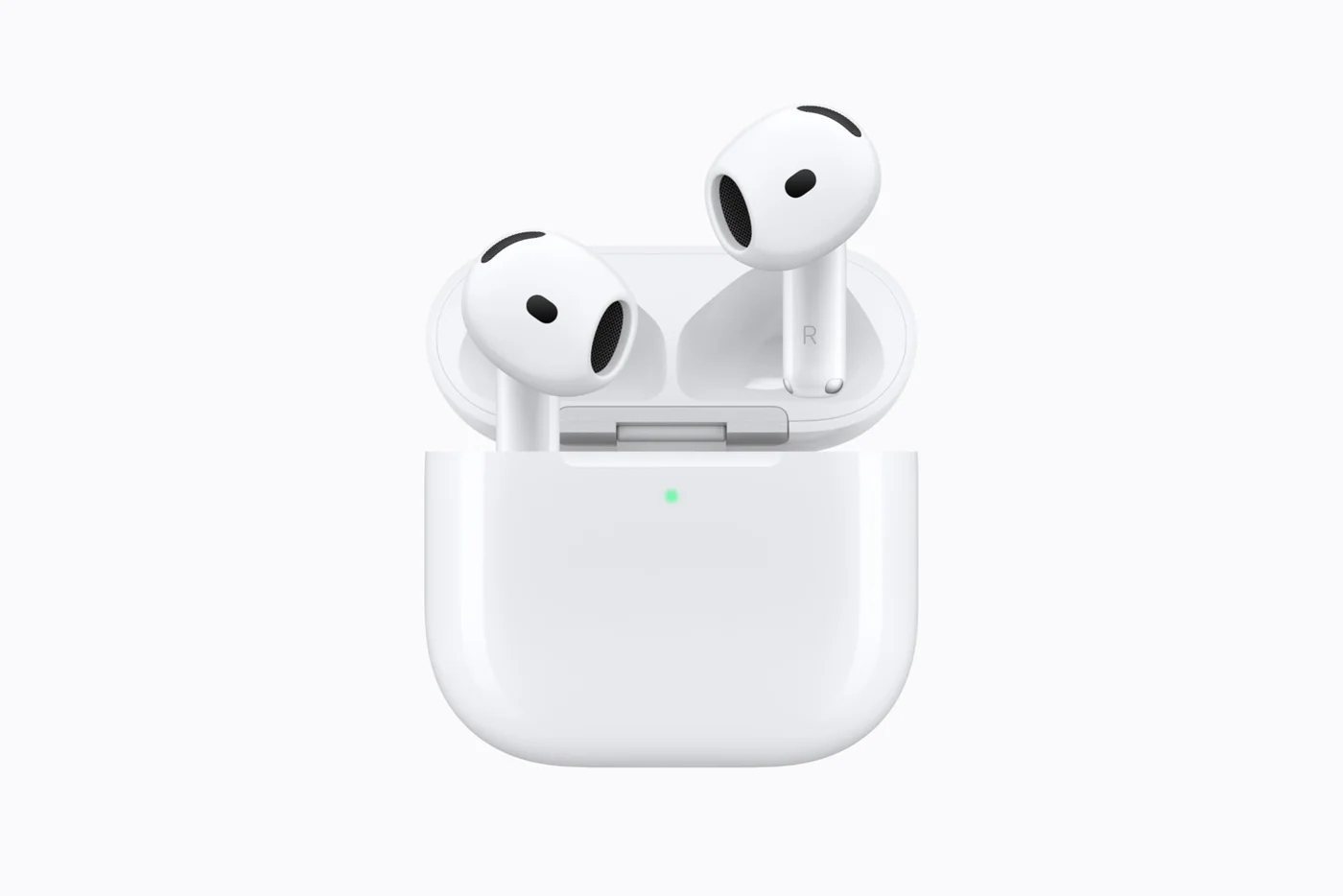
The acoustic architecture delivers tighter bass response and wider stereo separation. In addition, the earbuds support hands-free Siri AI interaction and real-time on-device Live Translation during bilingual conversations. Choosing the model with the Wireless Charging Case adds on-stem capacitive volume controls and extended playback duration.
AirPods 5 Lineup and Pricing
| Model | Pricing & Retail Availability |
|---|---|
| Standard Model | $129 USD (Friday, September 18, 2026) |
| Wireless Charging Case & On-Stem Volume | $149 USD (Friday, September 18, 2026) |
iOS 27 and Siri AI Integration
Across all announced products, iOS 27 serves as the unifying runtime. Siri AI accesses personal context stored directly on-device to execute multi-step actions across native applications, referencing calendar entries, messages, and health data without transmitting unencrypted telemetry.
Complex computational queries that exceed on-device silicon limits route to Apple’s Private Cloud Compute infrastructure, which guarantees that customer data is never retained or accessible to administrators. iOS 27 and watchOS 27 will be released as free software updates on Monday, September 14, 2026.
Pricing and Release Schedule
Apple opened pre-orders immediately across more than 60 countries and territories, with worldwide store availability scheduled for Friday, September 18, 2026:
Official Apple September 2026 Pricing and Release Schedule
| Hardware / Platform | Starting Price | Retail Availability |
|---|---|---|
| iPhone Duo | $1,999 USD | Friday, Sept 18 |
| iPhone 18 Pro | $1,199 USD | Friday, Sept 18 |
| iPhone 18 Pro Max | $1,299 USD | Friday, Sept 18 |
| Apple Watch Series 12 | $399 USD | Friday, Sept 18 |
| Apple Watch Ultra 4 | $799 USD | Friday, Sept 18 |
| AirPods 5 (Standard Case) | $129 USD | Friday, Sept 18 |
| AirPods 5 (Wireless Case) | $149 USD | Friday, Sept 18 |
| iOS 27 & watchOS 27 | Free Update | Monday, Sept 14 |
Engineering Verdict
The September 2026 event demonstrates Apple shifting focus toward tangible mechanical and optical innovations. With the iPhone Duo, Apple addresses durability and crease mechanics while maintaining pocketable single-hand usability. The iPhone 18 Pro trades software-driven blur artifacts for physical optical depth control via a six-blade variable aperture mechanism, and the A20 Pro introduces a 32-core neural engine alongside sustained vapor chamber cooling. Combined with the S11 Health Sensing System, Apple has established a hardware foundation designed to execute autonomous, privacy-focused machine intelligence across its ecosystem.
Sources
- Apple unveils iPhone Duo Press Release
- Apple debuts iPhone 18 Pro and iPhone 18 Pro Max Press Release
- Introducing Apple Watch Series 12 Press Release
- Apple unveils Apple Watch Ultra 4 Press Release
- Apple introduces AirPods 5 Press Release
- Apple advances health and fitness capabilities using Apple Intelligence